.png)




.jpg)



History
: THE MANORS AT THE GATES OF DEAUVILLE
A JOURNEY THROUGH HISTORY
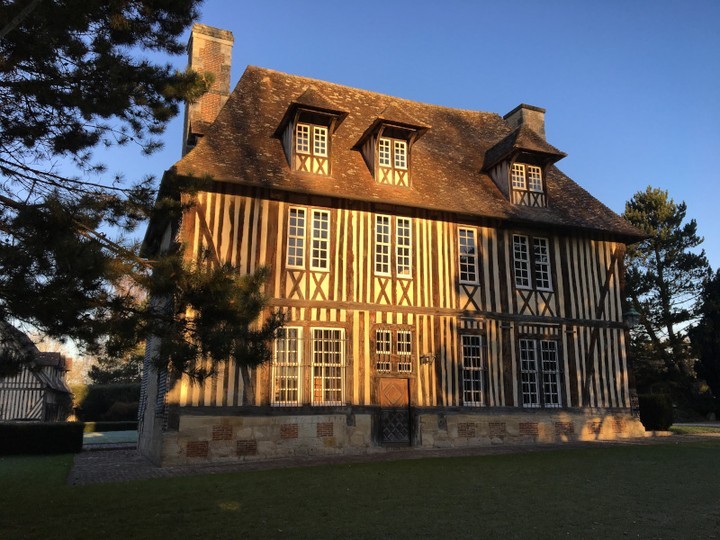
Les Manoirs des Portes de Deauville, formerly known as the Manoir de Prétot, is a fine example of Normandy’s heritage. Located in Canapville, in the Calvados department, this 16th- and 17th-century estate has stood the test of time, shaped by its history and the various uses it has served over the years.

Origins and Construction
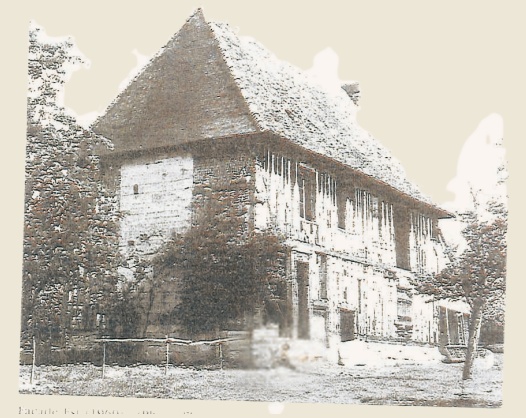
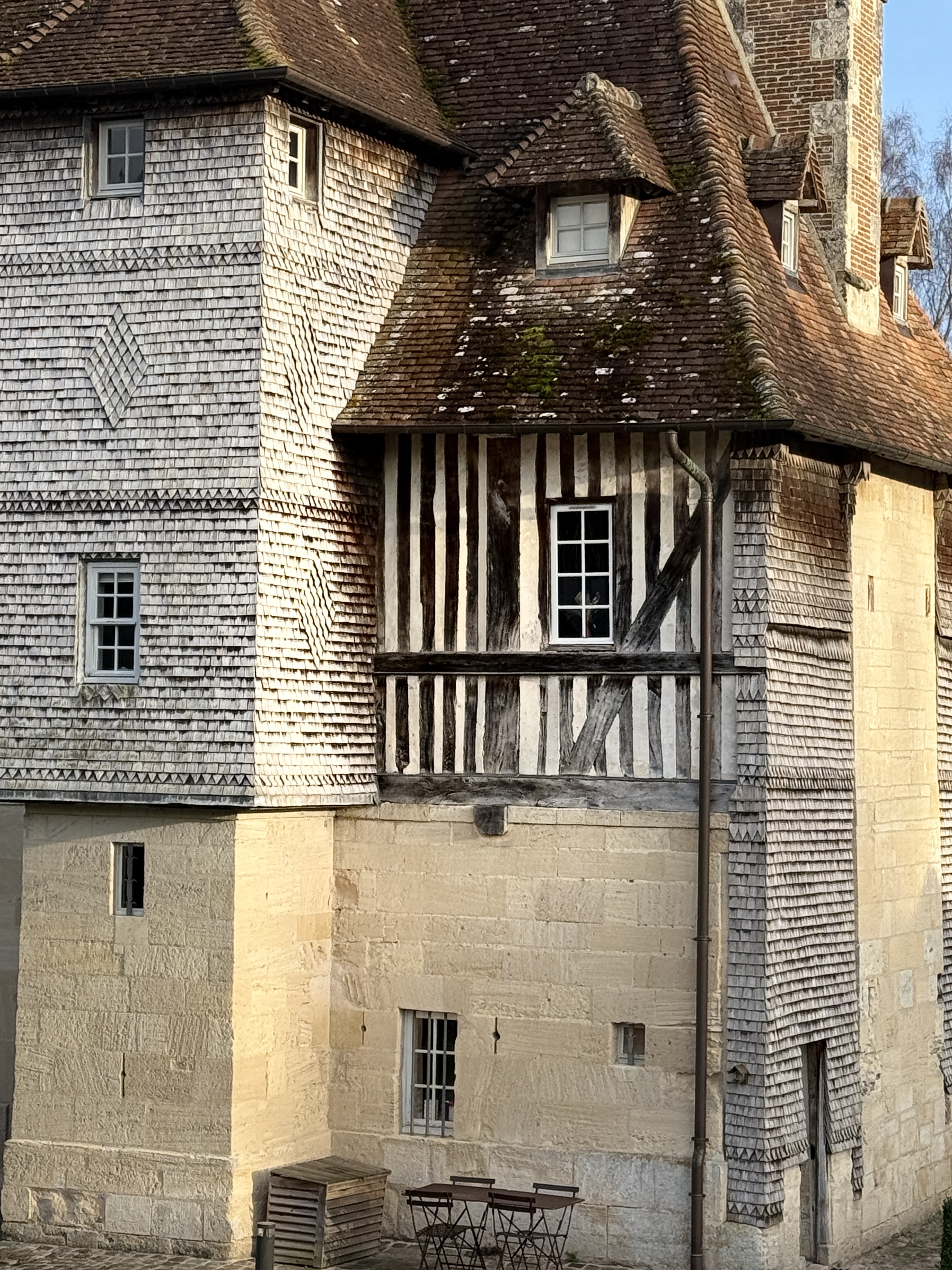
The Manoir de Prétot, built in 1540 by the Ballan family, is characteristic of the architecture of the Pays d’Auge region. It is distinguished by its timber framing, stone foundation, dormer windows, and chestnut cladding, which covers the turret in particular.
The building also features a three-sided turret with loopholes on the ground floor and bars on the rear windows, evidence of defensive measures taken during times of conflict.
As is often the case with manors in the Augerons region, the main façade faces east. Originally, two twin doors provided access to the manor; today, only one remains, opening onto a remarkable vestibule paved with cut black flint. Protected for a long time under a layer of hay and straw, this floor has retained its exceptional quality.
The staircase, long abandoned, had lost its steps; only the risers remained. The balusters of the railing, however, remained intact and were not altered during the building’s restoration.
Pierre and Marie Corneille: A Literary Connection
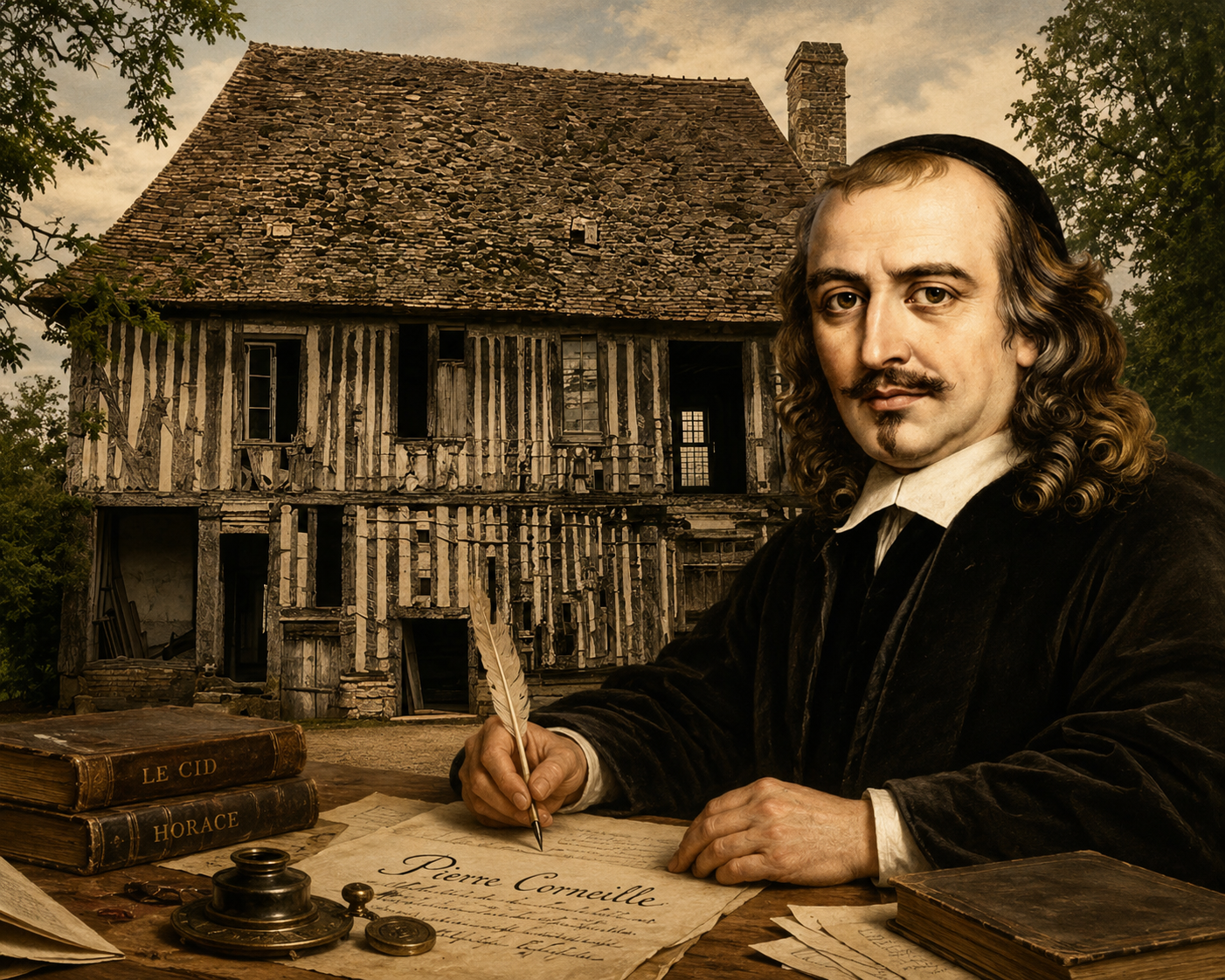
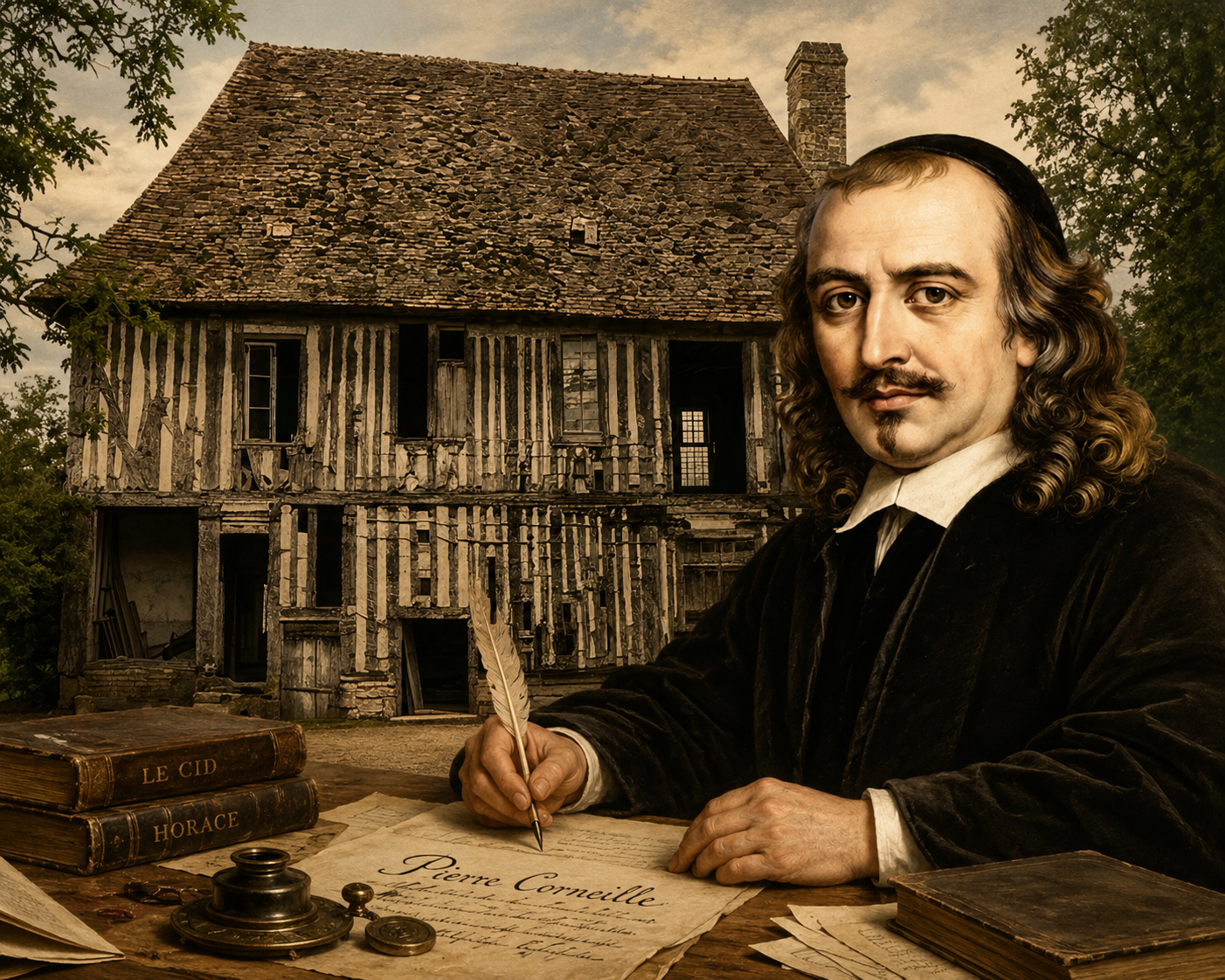
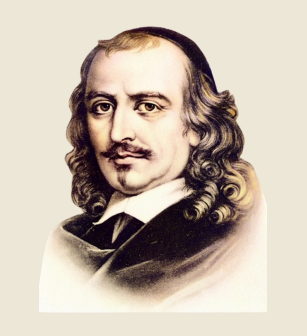
The Manoir de Prétot is often considered the most “Corneillian” of the Augerons’ manors. It is, in fact, closely linked to Pierre Corneille and his sister Marie Corneille, who stayed there on several occasions during the 17th century.
Pierre Corneille stayed regularly at the Manoir de Prétot in the 17th century, particularly between 1638 and 1668. There he visited his sister Marie, who had married Guillaume Ballan in 1634, and came to Canapville for family events as well as for business.
Corneille’s diaries help pinpoint a stay in the spring of 1638, followed by another in May 1639, after his father’s death. A commemorative plaque now marks this historic presence.
Marie Corneille lived at the manor for several years, where her three daughters were born. Several members of the Ballan and Corneille families were buried beneath the church in Canapville, including Guillaume Ballan in 1663. These graves, however, were lost after the church burned down on July 3, 1925.
This connection to Pierre and Marie Corneille makes the manor a place of literary, family, and historical significance.
The Manor and the Navy: A Maritime History
At the rear of the park once stood the Quai au Coq, a small harbor that could accommodate up to 17 boats at high tide, according to a maritime report dated 1745. Frequented by passing sailors, this bustling spot was visible from the manor’s windows, as well as across the marshes.
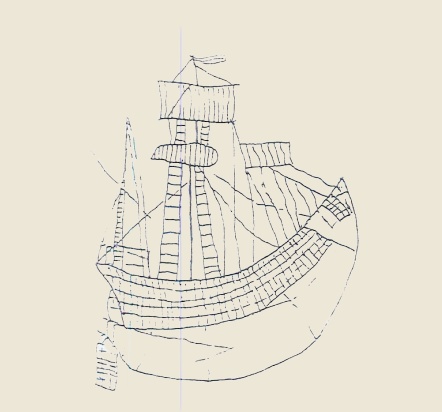
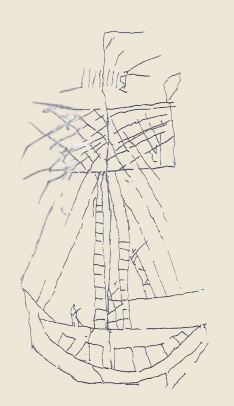
Graffiti depicting ships—sometimes identified as galleons or brigs from the 17th and 18th centuries—has been found on the manor’s walls. The proximity of the Touques River and the old maritime route connecting Pont-l’Évêque to Honfleur underscores the importance of this maritime aspect.
During the Seven Years’ War, between 1756 and 1763, the manor is also said to have served as a refuge for soldiers. They entered with their horses, particularly into what is now the living room, which would have required the replacement of the floor tiles.
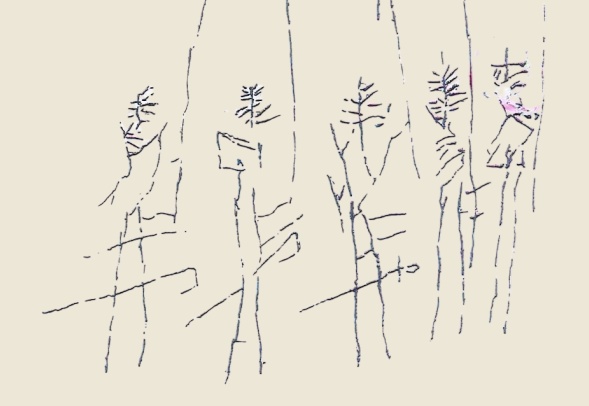
Another graffiti, carved into the staircase, depicts a scene of capital punishment. It may be linked to the proximity of the Château de Bonneville-sur-Touques, where those sentenced to death awaited their transfer to Pont-l’Évêque. The figure on the right may represent a priest presenting the cross.
The Manor House Transformed into a School
At the end of the 19th century, the manor house changed its use and became a local school. A monograph written in 1888 by André Queudeville, then a teacher at the manor house, provides insight into this period.
Thanks to its setting and orchard, the location offered ideal conditions for welcoming students. The manor thus served for several years as a schoolhouse, with classrooms and a boarding facility that could accommodate up to a dozen boarders.
Restoration and Designation as a Historic Monument
Restoration of the manor house began in the 1960s. Maître Guérin, a solicitor at the Rouen Court of Appeals, and his wife purchased the property in July 1961.
They then undertook extensive restoration work, carried out with great care between 1965 and 1970, marking the first major efforts to preserve the building.
Decline and Deterioration
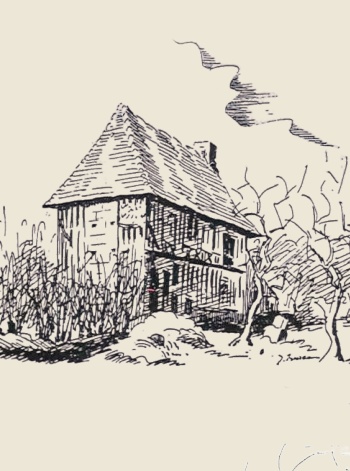
After the school closed, the manor house fell into neglect for a long period. For nearly 70 years, it was used primarily as a fodder storage area and a sheepfold.
This lack of maintenance led to the gradual deterioration of several architectural features, including the balustrade, the tower, and the half-timbering.
Initial listing: On February 13, 1975, only the facades, the roof, the staircase, its balustrade, and the flint floor were listed on the inventory of Historic Monuments.
Full listing in 1995: The manor house was listed in its entirety as a Historic Monument. The restoration restored the building to its original appearance, using traditional materials.
Following the death of Mr. and Mrs. Guérin, their daughter Florine moved into the manor with her husband and their children.
The cottages served various purposes at the time, mainly agricultural or domestic. Cottage 2 was used as a bread oven, while Cottage 4 was used to store the gardener’s tools. Cottage 3 had sleeping quarters upstairs and a barn on the ground floor.
Cottages 6, 7, and 9 served as stables and barns for fodder and farm equipment. Cottage 5, like Cottage 3, housed family living quarters. Cottage 8 was used as a cider press house, while Cottage 1 was then abandoned.
The manor house was the family’s main residence at the time.
Where the swimming pool stands today, there was once a large vegetable garden, which played a role in the estate’s daily life.

.jpg)
The Manor Today: A Hotel Steeped in History
Since its renovation, the manor has become a charming 4-star boutique hotel: Les Manoirs des Portes de Deauville.
It combines the character of a historic site with the comfort of a contemporary hotel, while preserving many restored features that bear witness to its past.
Much more than just a place to stay, Les Manoirs des Portes de Deauville tells the story of several centuries of history, encompassing architectural heritage, literary memory, and maritime legacy.
This tour invites visitors to discover the estate in all its facets and to pay tribute to those who have shaped it over time.
%201.png)


